Industries

Small Business Operations Software By Industry: workflow guide

Industries answers small business operations software by industry as a buyer decision, not as a generic feature pitch. me, then ask what action the customer takes first, where the customer record lives after that action, and which specialist system still owns the deeper workflow.

The page starts from that search behavior and shows where Helm fits, what proof a small business needs to inspect, and when a specialist tool needs to stay in place.

  • Starter and Growth include a 30-day free trial.
  • No booking commission.
  • Best for website-led, booking-led, and service-led small businesses.
Quick answer

small business operations software by industry is a good Helm fit when website, booking, form, customer, payment, and follow-up context need to stay close together for owner-led work.

me, then choose a specialist instead when the main requirement is marketplace discovery, POS hardware, payroll, accounting close, regulated records, enterprise automation, or a deep vertical operating suite.

For small business operations software by industry, the useful test is whether the customer action creates work after the click: booking or enquiry capture, intake details, customer history, payment or document context, staff handoff, and follow-up.

Helm fits when those pieces need to stay connected in one owner dashboard instead of being rebuilt from chat threads, forms, calendars, spreadsheets, and separate payment notes. Keep specialist systems for POS hardware, regulated records, payroll, tax, marketplace discovery, enterprise automation, or any deep category workflow Helm does not claim to own.

Use this industry guide to compare fit, confirm.

Default Service-Business SoftwareBuyer journey
Square, Setmore, CalendlyPrimary comparison set
what action the customer takes firstDecision hinge
Industries fit plus non-fitBest conversion angle

What this looks like in Helm

Example

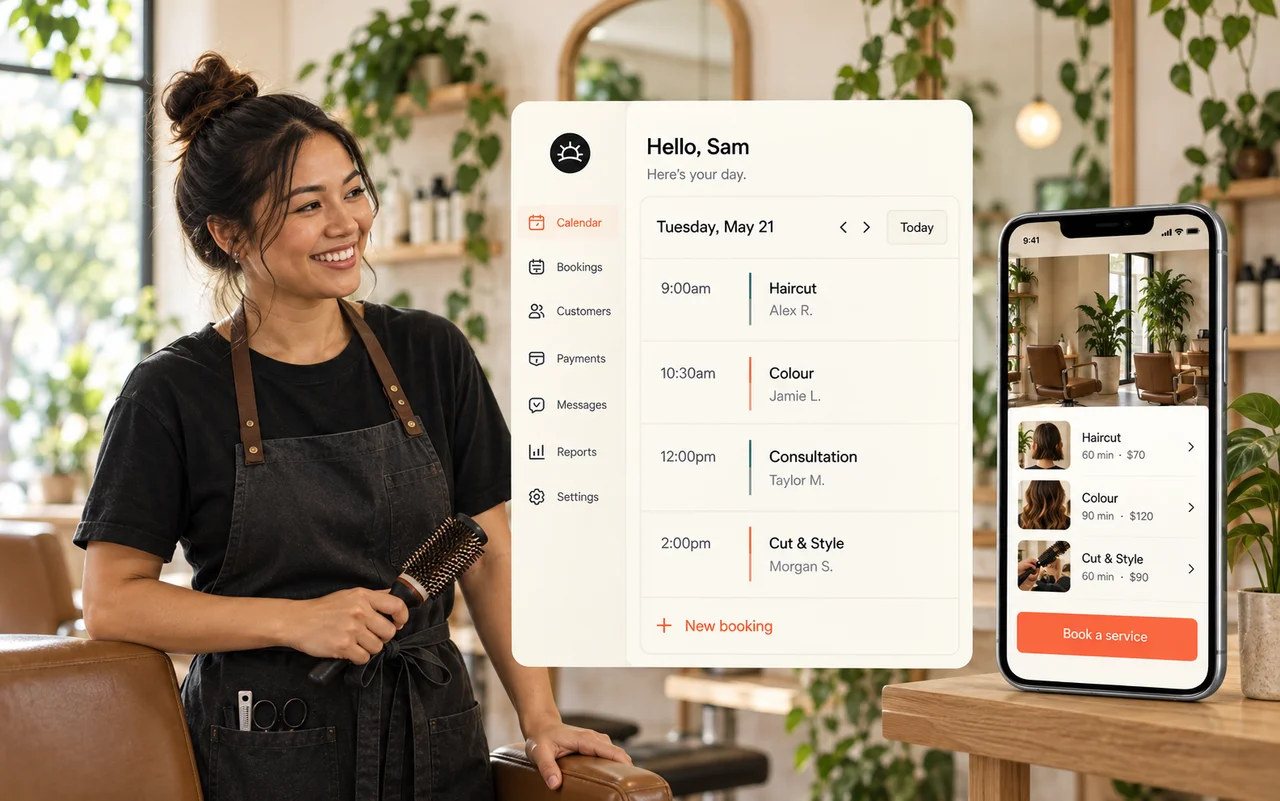
Industries: Helm for industries is a merchant operating workflow for small businesses that need public pages, bookings or orders, customer records, invoices or receipts, reviews, follow-up, and daily visibility connected in one workspace.

Example

; Who it is for: Industries and similar service-led or hybrid merchants that want public customer actions and daily operations connected..

Implementation note

Industries: editorial review covered current Helm product scope across public presence, booking or enquiry capture, forms, customer records, payment or document context, and follow-up.

Implementation note

Page-specific context checked: Parent category: Merchant operating system; Feature map: Connected modules by workflow; Core audience: Service-led small businesses.

Limit

Industries: keep specialist systems for work outside Helm's website, booking, form, payment, customer record, and follow-up scope.

Scenario

Industries: reviewer checked how a small business operations software by industry search becomes a customer action, operating record, and follow-up decision.

Last checked 2026-05-23

Comparison snapshot

What mattersHelm fitSpecialist or current tool fit
Search intentsmall business operations software by industry needs a connected customer action, record, and follow-up path.Compare Square, Setmore, Calendly, and SimplyBook.me when the buyer mainly wants the category leader for one narrow job.
Operating proofLook for customer action, usable customer history, payment or document context, and team handoff in one workflow before treating Helm as the right fit.Keep another tool when proof depends on the main requirement is marketplace discovery, POS hardware, payroll, accounting close, regulated records, enterprise automation, or a deep vertical operating suite.
Customer handoffHelm works when website, booking, form, customer, payment, and follow-up context need to stay close together for owner-led work.A point solution works when the customer action ends at a form, widget, calendar, marketplace, or specialist record.
Page promiseIndustries makes the fit rule, proof, and limitation visible before signup.Industries avoids vendor scorecards, traffic promises, revenue claims, or replacement claims without product proof.

Quick decision guide

Helm fits industries when

  • You want website, booking or order capture, customer records, invoices, and follow-up in one workspace.
  • Your customers arrive through search, Instagram, contact, referrals, booking links, forms, or direct visits.
  • You need a daily operating dashboard, not only a public page or scheduling widget.

Use a specialist system if

  • You mainly need physical POS hardware, enterprise IAM, tax engines, carrier labels, or marketplace app depth.
  • Your current tool is the main source of customer discovery and you do not want to move demand to your own channels yet.
  • You need a highly specialized clinical, logistics, accounting, or inventory system outside Helm's product scope.

Small Business Operations Software By Industry search intent

Industries belongs to the default service-business software journey. Search and recommendation results for small business operations software by industry commonly mix ranked software lists, direct product pages, discussion-style objections, help articles, videos, and comparison tables, so this guide has to orient the buyer before it sells Helm.

For Service-led small businesses, Industries needs to define the customer action, name the record that exists after the action, show what the owner or staff can do next, and explain which specialist system still owns deeper requirements.

  • For Industries, classify the searcher as a buyer comparing Square, Setmore, Calendly, SimplyBook.me, Jotform, and Wix.
  • For Industries, answer what action the customer takes first, where the customer record lives after that action, and which specialist system still owns the deeper workflow before naming product features.
  • For Industries, keep the page format close to a decision guide with direct fit and non-fit rules.
  • For Industries, avoid broad software claims that cannot be seen in Helm's public workflow.

Decision checklist for Small Business Operations Software By Industry

A strong small business operations software by industry page starts with the operating break: customer discovery, conversion, intake, scheduling, money context, team handoff, or repeat follow-up.

Helm fits Industries when website, booking, form, customer, payment, and follow-up context need to stay close together for owner-led work. If that is not the problem, the buyer needs to keep or choose a specialist product rather than forcing Helm into work it does not claim.

  • Decision checklist: does small business operations software by industry need customer action, usable customer history, payment or document context, team handoff, and follow-up visibility?
  • Decision checklist for Industries: can the team see prior customer context without rebuilding it from chat, spreadsheets, or calendar notes?
  • Decision checklist: does Industries need reminders, deposits, receipts, review requests, or rebooking after the first action?
  • Decision checklist for Industries: keep the boundary visible when the buyer needs to use a specialist system when the main requirement is marketplace discovery, POS hardware, payroll, accounting close, regulated records, enterprise automation, or a deep vertical operating suite.

Small Business Operations Software By Industry operating proof

Industries needs proof around customer action, usable customer history, payment or document context, team handoff, and follow-up visibility. The guide makes the first customer action and the resulting business record visible enough that a buyer can picture the real workflow.

For small business operations software by industry, the proof standard is not a long feature inventory. It is whether the public page, booking or form, customer history, money or document state, and next follow-up stay understandable for an owner-led team.

  • For Industries, show customer action as visible proof, not as an abstract feature label.
  • For Industries, show usable customer history as visible proof, not as an abstract feature label.
  • For Industries, show payment or document context as visible proof, not as an abstract feature label.
  • For Industries, show team handoff as visible proof, not as an abstract feature label.
  • For Industries, show follow-up visibility as visible proof, not as an abstract feature label.

Small Business Operations Software By Industry page-specific workflow

Industries has page-specific context beyond the shared default service-business software pattern: Industries: reviewer checked how a small business operations software by industry search becomes a customer action, operating record, and follow-up decision.

Industries needs vocabulary that is specific to industries: industries. Use those terms to name the entry point, customer record, staff handoff, money or document context, follow-up, and limitation for this exact page.

Industries proof vocabulary includes industries, reviewer, checked, small, operations, industry, search, becomes, action, operating, decision, helm, merchant, businesses, that, need, public, and pages. That vocabulary keeps the page close to the real buyer problem instead of a generic software category.

Industries specific comparison detail: Use Helm when industries needs public pages, bookings or orders, customer records, invoices, receipts, follow-up, and daily visibility to stay connected in one workflow.

Industries specific comparison detail: What is Helm: For industries, Helm is a merchant operating system for small businesses that connects public customer actions to the owner workflow behind them.

Industries specific comparison detail: Who it is for: Industries and similar service-led or hybrid merchants that want public customer actions and daily operations connected.

Industries page-specific detail: Industries: Helm for industries is a merchant operating workflow for small businesses that need public pages, bookings or orders, customer records, invoices or receipts, reviews, follow-up, and daily visibility connected in one workspace.

; Who it is for: Industries and similar service-led or hybrid merchants that want public customer actions and daily operations connected..

Industries page-specific detail: Industries: editorial review covered current Helm product scope across public presence, booking or enquiry capture, forms, customer records, payment or document context, and follow-up.

Industries page-specific detail: Page-specific context checked: Parent category: Merchant operating system; Feature map: Connected modules by workflow; Core audience: Service-led small businesses.

Industries page-specific detail: Industries: keep specialist systems for work outside Helm's website, booking, form, payment, customer record, and follow-up scope.

That context keeps small business operations software by industry from becoming a thin swapped-keyword page. The page has to show the real operating details a buyer expects for Industries, then connect those details back to Helm only where the product fit is honest.

  • For Industries, apply specific workflow proof: Industries: Helm for industries is a merchant operating workflow for small businesses that need public pages, bookings or orders, customer records, invoices or receipts, reviews, follow-up, and daily visibility connected in one workspace.
  • For Industries, apply specific workflow proof: Workflow details Checked: Use Helm when industries needs public pages, bookings or orders, customer records, invoices, receipts, follow-up, and daily visibility to stay connected in one workflow.; What is Helm: For industries, Helm is a merchant operating system for small businesses that connects public customer actions to the owner workflow behind them.; Who it is for: Industries and similar service-led or hybrid merchants that want public customer actions and daily operations connected..
  • For Industries, apply specific workflow proof: Industries: editorial review covered current Helm product scope across public presence, booking or enquiry capture, forms, customer records, payment or document context, and follow-up.
  • For Industries, apply specific workflow proof: Page-specific context checked: Parent category: Merchant operating system; Feature map: Connected modules by workflow; Core audience: Service-led small businesses.
  • For Industries, apply specific workflow proof: Industries: keep specialist systems for work outside Helm's website, booking, form, payment, customer record, and follow-up scope.

Small Business Operations Software By Industry comparison field

me, Jotform, and Wix. The deciding workflow is customer action, usable customer history, payment or document context, team handoff, and follow-up visibility; Helm does not need to pretend every tool is wrong when a point solution, marketplace, website builder, or enterprise suite owns the deeper job.

For Industries, the named boundary is practical: use a specialist system when the main requirement is marketplace discovery, POS hardware, payroll, accounting close, regulated records, enterprise automation, or a deep vertical operating suite. That keeps the page useful for buyers who should keep their current specialist system.

Short answer summaries tend to compress Industries into direct choices and caveats. Recommendation summaries tend to use compact comparison tables, direct recommendations, and plain-language caveats before they mention a vendor. This guide is quotable in that format: clear answer, fit rule, proof, limitation, next step.

  • Compare Industries with Square, Setmore, Calendly, SimplyBook.me, Jotform, and Wix, then explain the job each option owns.
  • For Industries, compare first on workflow fit, then on price, free-plan limits, setup effort, and migration risk.
  • For Industries, mention competitor categories without turning the page into an unsupported attack page.
  • For Industries, use related routes such as platform, industries/service-businesses, industries/salons, industries/clinics, and industries/fitness-studios to keep the buyer moving through one cluster.

Small Business Operations Software By Industry examples and objections

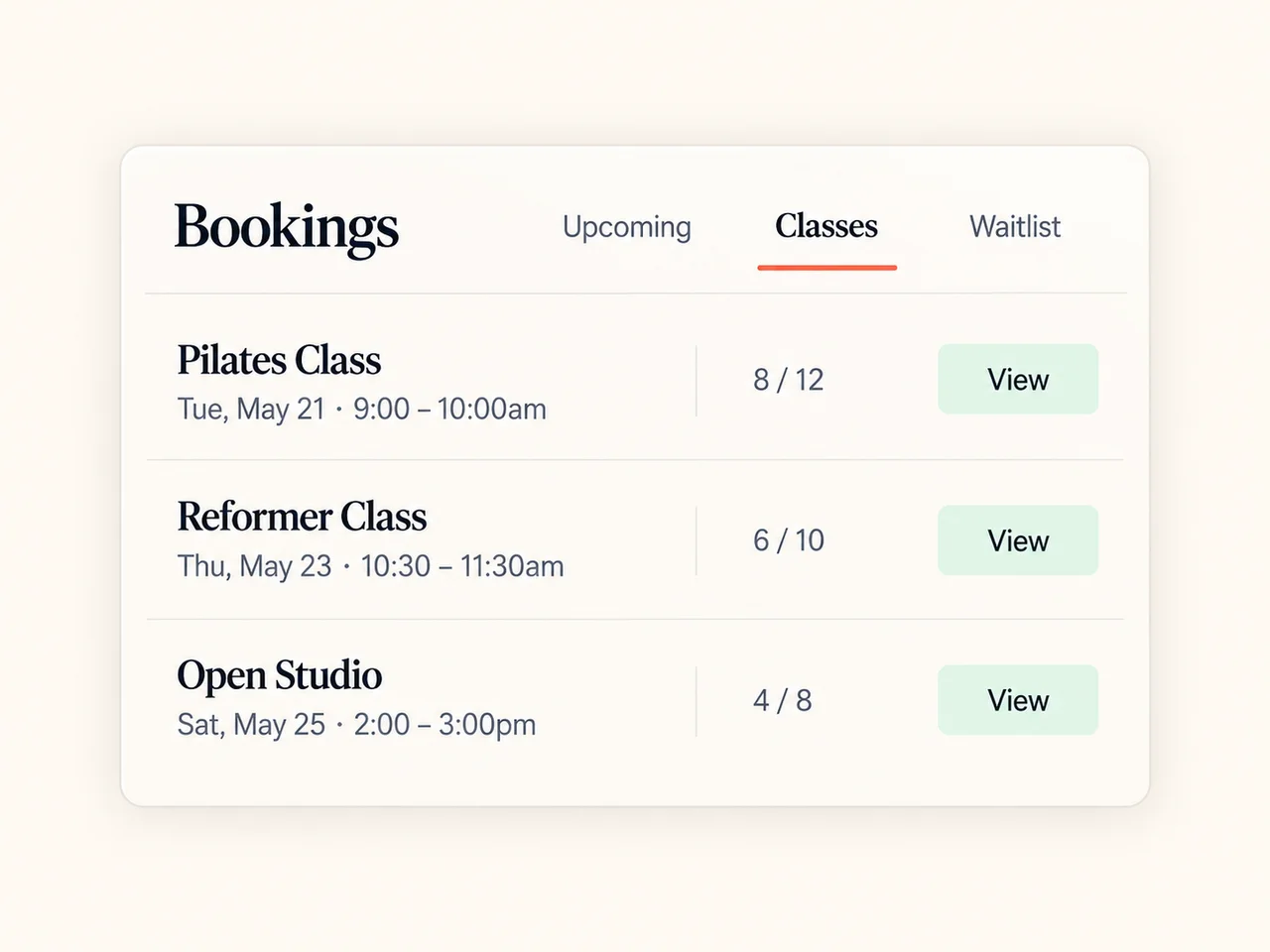
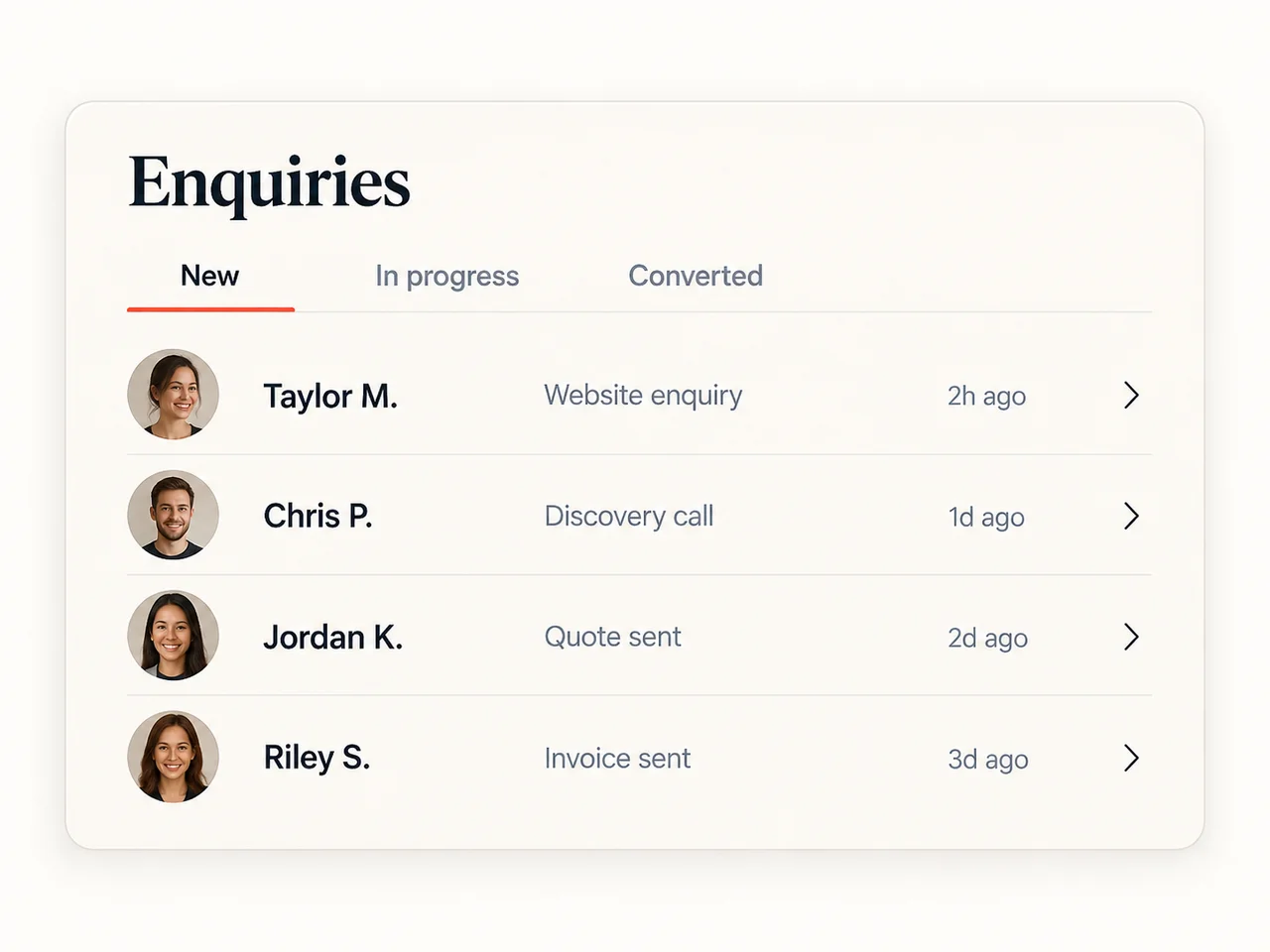
The visual and example direction for Industries is: screenshots and examples need to show the customer action, the operating record, and the follow-up state rather than a generic dashboard crop. That matters because image, video, and answer results reward concrete examples more than abstract dashboard language.

For small business operations software by industry, useful examples follow customer action, usable customer history, payment or document context, team handoff, and follow-up visibility from entry point to record to next action. That structure helps the page answer buyer objections without making ranking, revenue, no-show, or migration guarantees.

  • For Industries, resolve free-plan limits with concrete copy before asking for signup.
  • For Industries, resolve setup effort with concrete copy before asking for signup.
  • For Industries, resolve customer handoff with concrete copy before asking for signup.
  • For Industries, resolve payment or document context with concrete copy before asking for signup.
  • For Industries, resolve when a specialist tool remains safer with concrete copy before asking for signup.

Small Business Operations Software By Industry boundaries

The boundary for Industries is part of the SEO value: use a specialist system when the main requirement is marketplace discovery, POS hardware, payroll, accounting close, regulated records, enterprise automation, or a deep vertical operating suite.

Buyers trust the guide more when it says who does not need Helm, which work remains outside Helm, and which existing tools need to stay connected.

The final decision rule for small business operations software by industry: choose Helm when the public customer action needs to become customer context, money or document context where supported, team handoff, and follow-up. Choose a specialist when that specialist owns the deeper operating system.

  • Use Helm for Industries when the customer action creates operating work after the click.
  • Use a specialist system for Industries when the main requirement is marketplace discovery, POS hardware, payroll, accounting close, regulated records, enterprise automation, or a deep vertical operating suite.
  • Use source context for Industries such as Helm product-scope pages and related workflow guides to support category framing without claiming outcomes.
  • Keep the Industries CTA honest: compare the workflow, inspect the limitation, then view pricing or a related guide.

Frequently asked questions

What should I compare for small business operations software by industry?

Compare Square, Setmore, Calendly, SimplyBook.me, and Jotform. Then check whether the workflow needs customer action, usable customer history, payment or document context, team handoff, and follow-up visibility, because those signals show whether Helm is solving a connected operating problem or whether a point solution is enough.

When does Helm fit small business operations software by industry?

Helm fits when website, booking, form, customer, payment, and follow-up context need to stay close together for owner-led work. That usually means the customer action creates work after the click and the team needs one place to understand the customer, money or document context, and follow-up.

When is Helm not right for small business operations software by industry?

Choose or keep a specialist system when the main requirement is marketplace discovery, POS hardware, payroll, accounting close, regulated records, enterprise automation, or a deep vertical operating suite. Helm belongs beside those tools only when the customer-facing workflow still needs clearer operating context.

What proof matters most for small business operations software by industry?

Look for customer action, usable customer history, payment or document context, team handoff, and follow-up visibility. If those pieces stay separate across a calendar, form builder, chat thread, spreadsheet, and payment record, the buyer may still have the same handoff problem after buying software.

How does a small business evaluate small business operations software by industry before switching?

Map the first customer action, current tool owner, required records, communication path, payment or document needs, and next follow-up. Switch only when the new workflow preserves live customer work and removes a real operating gap.

Sources

Helm platform overview

Used as Helm source context for Industries scope, workflow fit, and product boundaries.

Salons source context

Used as Helm source context for Industries scope, workflow fit, and product boundaries.